Open Hours
7:00am-6:00pm Mon - Fri
Contact us
(903) 757-7282
Walk into any clothing or shoe store in Longview, Texas, and leather and suede pieces often sit right next to each other. Similar price points, similar styles, completely different materials.
Most people know suede feels different. Fewer know why, or that the difference goes all the way down to the structure of the hide itself. That gap in understanding is exactly what creates cleaning mistakes, premature damage, and frustrating surprises down the road.
This guide covers the three things that matter most when it comes to leather and suede cleaning and ownership: how these materials feel, how long each one realistically lasts, and what each one actually needs to stay in good condition. Whether you're buying, already own one, or dealing with damage on a piece you care about, this post gives you the full picture.
Understanding the material difference at the source makes every other comparison click. These aren't two finishes. They're two different parts of the same animal hide.
| Full Grain / Top Grain Leather | Suede | |
|---|---|---|
| Part of the hide | Outer surface, the densest and most tightly structured layer | Inner split (underside) of the hide |
| Surface | Smooth, with a natural grain pattern that's processed to retain its strength | Soft, fibrous nap with no protective outer layer |
| Porosity | Low; resists moisture and surface staining | High; readily absorbs liquids, oils, and dirt into the fibers |
| Natural protection | The outer hide acts as a built in barrier against everyday contact | No barrier; the exposed fibers are vulnerable from day one |
That single structural difference drives every distinction in texture, durability, water resistance, and how difficult each material is to clean properly.
The defining feature of suede is its nap – the raised, fibrous surface created when the inner hide is buffed. That's what produces the velvety feel people associate with suede.
It's also what makes suede absorb moisture, oils, and dirt far more readily than finished leather. Every practical difference between these two materials, from how you store them to whether you need a professional cleaner, traces back to this one surface characteristic.
Leather can be wiped down. Suede cannot. Leather tolerates moisture in small amounts. Suede does not. Understanding the nap isn't a technical detail. It's the reason suede owners need a completely different care approach.
Yes, suede is softer than leather to the touch. But the fuller comparison is more useful than the short answer.
Suede's nap gives it an immediately velvety, almost draped quality. Pick it up and it conforms to your hand. Finished leather, especially full grain, feels firmer, more structured, and more resistant. That's not a flaw in the leather. It's the density of the outer hide doing its job.
This isn't a quality ranking. It's a purpose difference because:
This is where the comparison gets interesting, and where leather pulls ahead suddenly.
In comparable conditions, with comparable care, leather lasts significantly longer.
Full grain leather's dense outer hide resists:
A well maintained leather jacket, bag, or pair of shoes can hold up for decades. Boots made from quality full grain leather get passed down between generations. That lifespan is realistic, not marketing language. It's a product of the material's structure.
Suede, with its exposed inner hide and open nap, is more vulnerable to the same conditions. Water stains set quickly. Oils from skin and food absorb into the fibers. Surface wear shows up faster and is harder to reverse. Under identical daily use conditions, leather will outlast suede every time.
Suede isn't a fragile material in every setting. It's conditional.
Where suede works:
Where suede struggles:
If you purchase suede for a specific purpose and can control the conditions, it's a legitimate choice. If you purchase it for heavy everyday use, expect to replace it sooner than you would leather.
This is where leather and suede cleaning decisions actually matter, and where the wrong call causes permanent damage.
There's a short list of things you can do at home without risk, including:
These need professional treatment, not home cleaning:
Attempting to clean these at home typically makes them worse, and unlike fabric, leather doesn't give you a second chance.
Leather reacts permanently to the wrong chemicals, too much water, and heat. One misstep can:
The material can't be rewashed or reset. Professional cleaning costs a fraction of what repair or replacement runs. For Longview residents with high value pieces, the math is worth doing before you reach for a household cleaner.
Suede cleaning is not a variation of leather cleaning. It's a different process entirely, and the margin for error at home is much narrower.
Two things you can do at home with confidence:
That's it. Go beyond these two steps and the risk of permanent damage rises sharply. No home cleaning products. No water. No "suede cleaning hacks" from the internet. Most of them make the problem worse.
What water does to suede: Water mats the nap unevenly as it dries. The fibers that were standing upright collapse in the wet areas, creating visible marks and texture changes that are permanent on untreated suede. A single rain exposure can leave marks no amount of brushing will fully remove.
Professional suede cleaning uses controlled solvent based processes and specialized equipment to clean without introducing water to the material. No water touches the suede. That's the key distinction. It's not just about having better products. It's an entirely different method that avoids the mechanism that causes damage in the first place.
If suede has been caught in rain, has a set in stain, or has significant soiling, home cleaning is not the right call. The longer you wait, the harder recovery becomes.
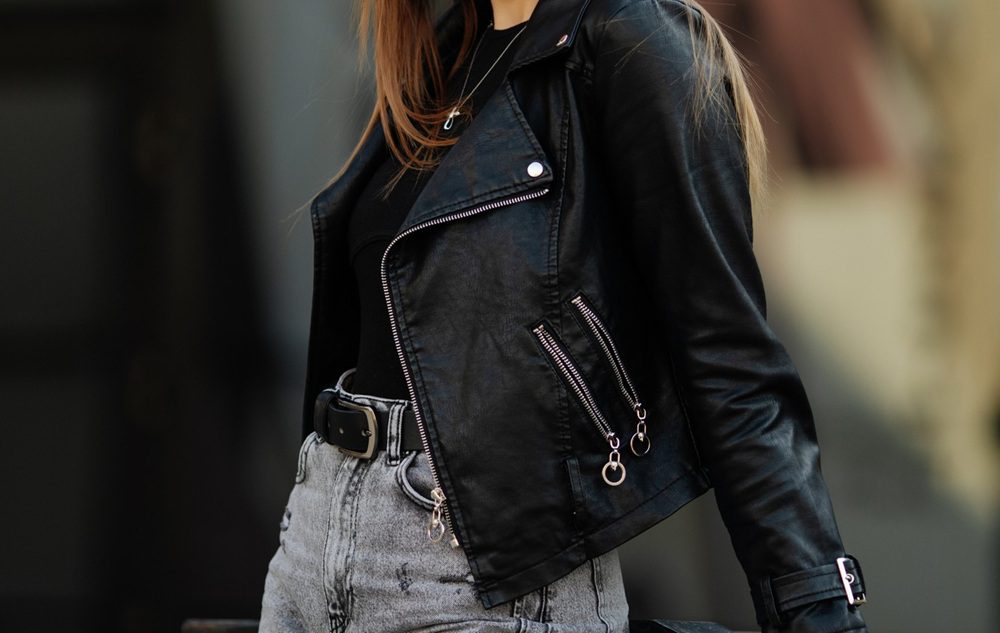
If your leather or suede piece has already seen some wear, caught rain, or been sitting neglected for months, you're probably past the point where home care will cut it. The good news is it's not too late to fix it properly.
At McLendon Cleaners, we specialize in professional leather and suede cleaning and restoration. Our facility is equipped to handle everything from targeted spot removal to full conditioning, pressing, inspection, and packaging. We treat every piece based on what it actually needs, not a one size fits all process, because leather and suede respond differently to everything, and we know the difference.
Bring in your piece for an honest assessment before the damage goes any further.
📍 Visit one of our convenient locations
📞 Phone: (903) 757-7282
📧 Email: care@mclendoncleaners.com


✅ Up to 5 clothing pieces
⏰ Includes Next Day Service
Rewards expire at the end of the month!
Exclusions apply. Offer valid on everyday wear only.