Open Hours
7:00am-6:00pm Mon - Fri
Contact us
(903) 757-7282
We all expect our clothes to stay fresh and bright when they’re washed regularly. However, with white items, yellowing can occur despite your best efforts. You may notice the change most around collars, underarms, or folded areas.
Yellowing is rarely the result of one single factor. It’s usually a combination of elements working together over time. That’s why standard washing may not fully solve the problem.
This article helps you recognize the everyday habits that lead to yellowing and how to better care for whites and light fabrics.
Even when clothes appear clean, body oils and sweat can remain embedded in fabric fibers, particularly in white and light-colored garments. Over time, these residues interact with air and heat, gradually changing color and leading to yellowing rather than visible stains. Because this process unfolds slowly, discoloration often appears long after a garment appears well cared for.
Body oils don’t start out as yellow in color. They darken after repeated exposure to oxygen and heat, forming stronger bonds with fabric fibers, making them harder to remove.
Factors that speed up oxidation include:
Because standard detergents are water-based, they struggle to fully dissolve oils. Dry cleaning uses specialized solvents that break down oils before oxidation sets in, making it especially effective for whites and high-contact areas.
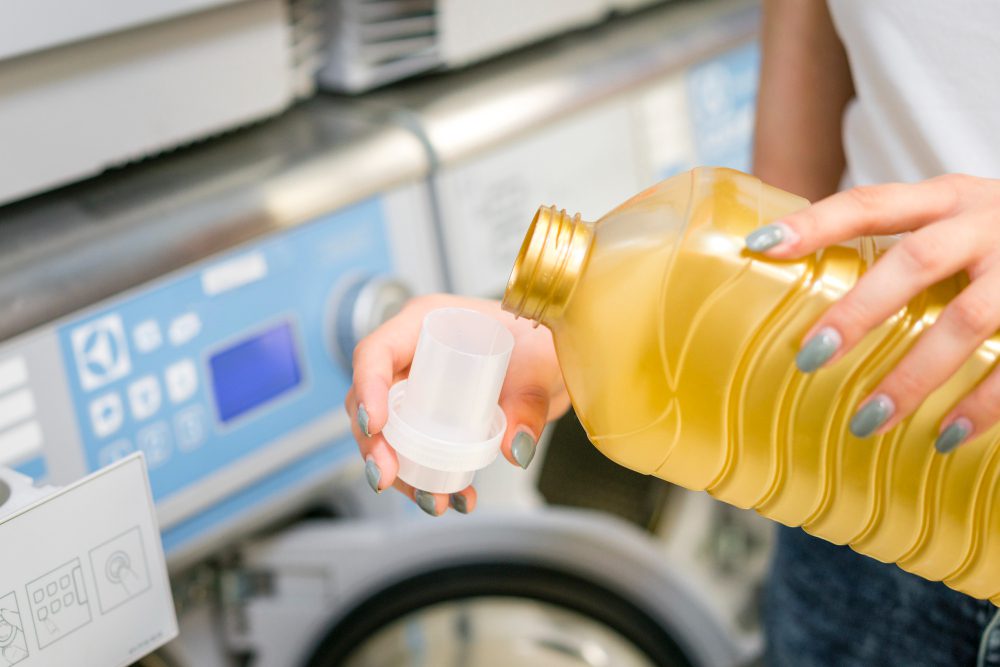
Detergent is meant to clean, but leftover residue can quietly remain in fabric after washing. When this residue accumulates, it changes how fibers interact with soil, oils, and minerals in water. The result is clothing that gradually loses brightness despite regular laundering.
Residue doesn’t form overnight. Each wash leaves behind a small amount that gradually layers within the fabric and attracts soil.
Simple ways to reduce buildup include:
Professional dry cleaning addresses this issue altogether by cleaning garments in filtered solvent systems that don’t leave behind detergent film. This helps fibers stay clearer, and fabrics maintain their brightness longer.
Cleaning doesn’t end when the wash cycle stops. Heat exposure during drying, ironing, and storage continues to affect fabric long after clothes leave the machine. Over time, these conditions accelerate changes that make discoloration more noticeable.
Heat doesn’t just remove moisture; it alters fiber structure. Repeated exposure weakens the fabric and increases its tendency to retain residue.
Common sources of heat-related damage include:
In dry cleaning, temperatures are carefully controlled, and garments are finished to minimize heat stress. This approach slows the reactions that contribute to yellowing and fabric wear.
Some fabrics wear and discolor faster than others due to differences in fiber structure. The way a material absorbs, retains, and reacts to residues from daily wear and cleaning directly affects its aging over time. This is why yellowing often appears unevenly across garments, even when they’re cared for in the same way.
Certain fabrics show yellowing sooner because of how they interact with oils, detergents, and heat.
These commonly include:
Professional dry cleaning adjusts the cleaning process to the fabric type, an approach home washing can’t easily match. This targeted level of care helps slow fiber aging and reduce long-term discoloration.
Professional cleaning takes a different approach from home laundering, focusing on control rather than repetition. It addresses discoloration by managing how residues are removed and how fabrics are handled afterwards. This approach helps garments maintain their original appearance longer.
Dry cleaners use a structured system to clean thoroughly without overstressing fabric fibers.
Key advantages include:
By removing oils before they oxidize and preventing detergent buildup, professional dry cleaning restores brightness more effectively than home washing and preserves the appearance of a garment over time.
Salt and slush don’t just leave ugly marks – they can weaken coat fabrics and leave behind stubborn white streaks along hems and cuffs. When you start noticing those lines, it usually means the residue has already worked its way in.
Yellowing that persists even after regular washing is usually due to how fabrics react to oils, residues, and heat over time. When that happens, switching care methods can make a noticeable difference.
At McLendon Cleaners, we provide professional dry cleaning for garments that need more than traditional washing, including suits, dress shirts, silk dresses, and specialty items. We’ve served Longview and nearby East Texas communities since 1945, using modern equipment and proven processes designed to protect fabric color and structure.
With three convenient drive-through locations, quick turnaround times, and a responsive local team, we make professional garment care easy and dependable. So, if yellowing is becoming a problem in your wardrobe, it may be time for expert care.
Call McLendon Cleaners or stop by one of our Longview locations – we’re always happy to help.
📍 Location: Longview, Texas
📞 Phone: (903) 575-7282
📧 Email: care@mclendoncleaners.com
Hours of Operation:
Monday – Friday: 7:00 AM – 6:00 PM
Saturday: 8:00 AM – 12:00 PM



✅ Up to 5 clothing pieces
⏰ Includes Next Day Service
Rewards expire at the end of the month!
Exclusions apply. Offer valid on everyday wear only.